These are examples of equipment and methods professionals may use. The right approach depends on the property and scope of work. Photos are educational examples, not projects or equipment owned by MI Mold Removal or its participating companies.
01 / FIND THE SOURCE
A better picture starts with moisture.
An investigation begins with the history of the problem, visible conditions, and possible sources of dampness. Instruments help a professional decide where to look more closely.
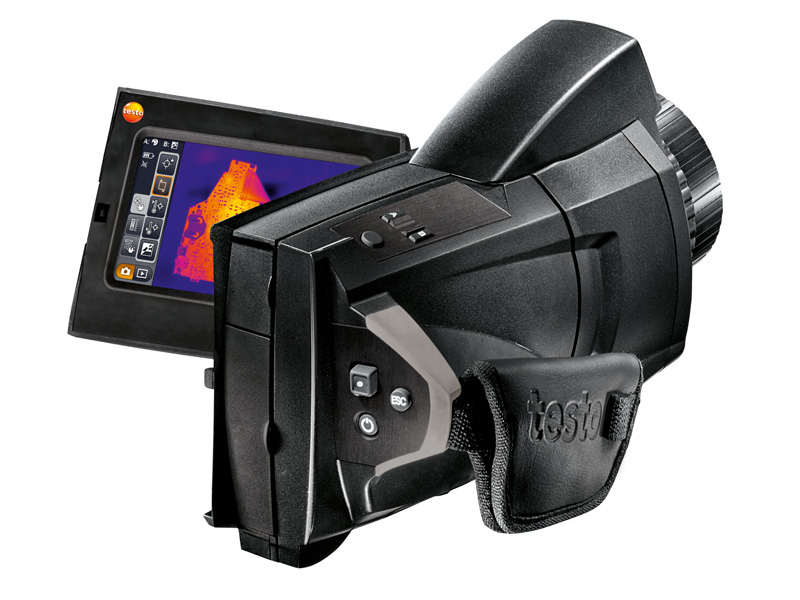
Infrared cameras show surface temperature patterns. Unusual patterns can guide an inspector toward a leak, condensation, or an insulation issue that needs a closer look.
For your home
A targeted investigation can help narrow down where further checks are useful.
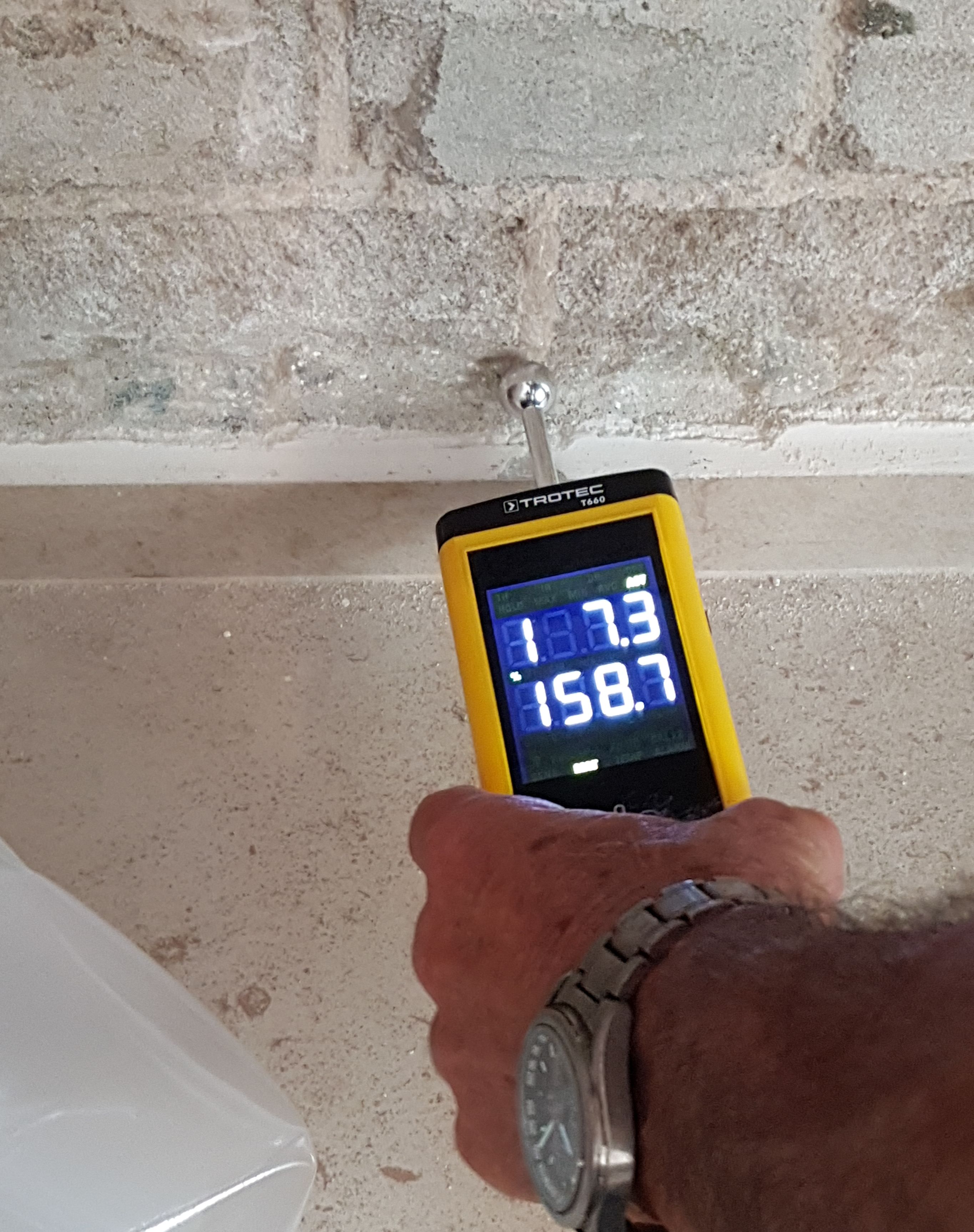
Thermal cameras do not see through walls or directly detect mold. Suspected moisture needs verification with a meter or further inspection.
Inspection and testing are different. An inspection evaluates conditions; sampling collects material for analysis. Ask what a proposed test would change about your next step.
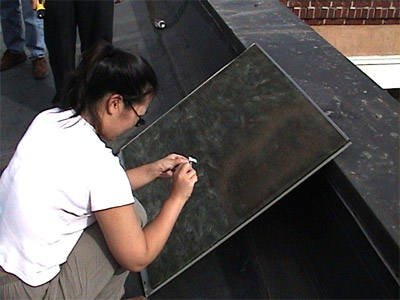
An air-sampling pump draws a measured volume of air through a collection device. Surface samples, such as tape lifts or swabs, focus on a particular spot. A professional chooses the sampling method and explains the laboratory findings in context.
For your home
You should understand why each sample is being taken, what it costs, and how the results will inform a recommendation.
An air sample captures a moment in time. A surface sample describes the sampled spot. Neither is a stand-alone verdict on the safety of an entire home.
A lab report and an inspector’s interpretation serve different purposes. Ask the reviewer to connect the results with the building conditions and your original concern.
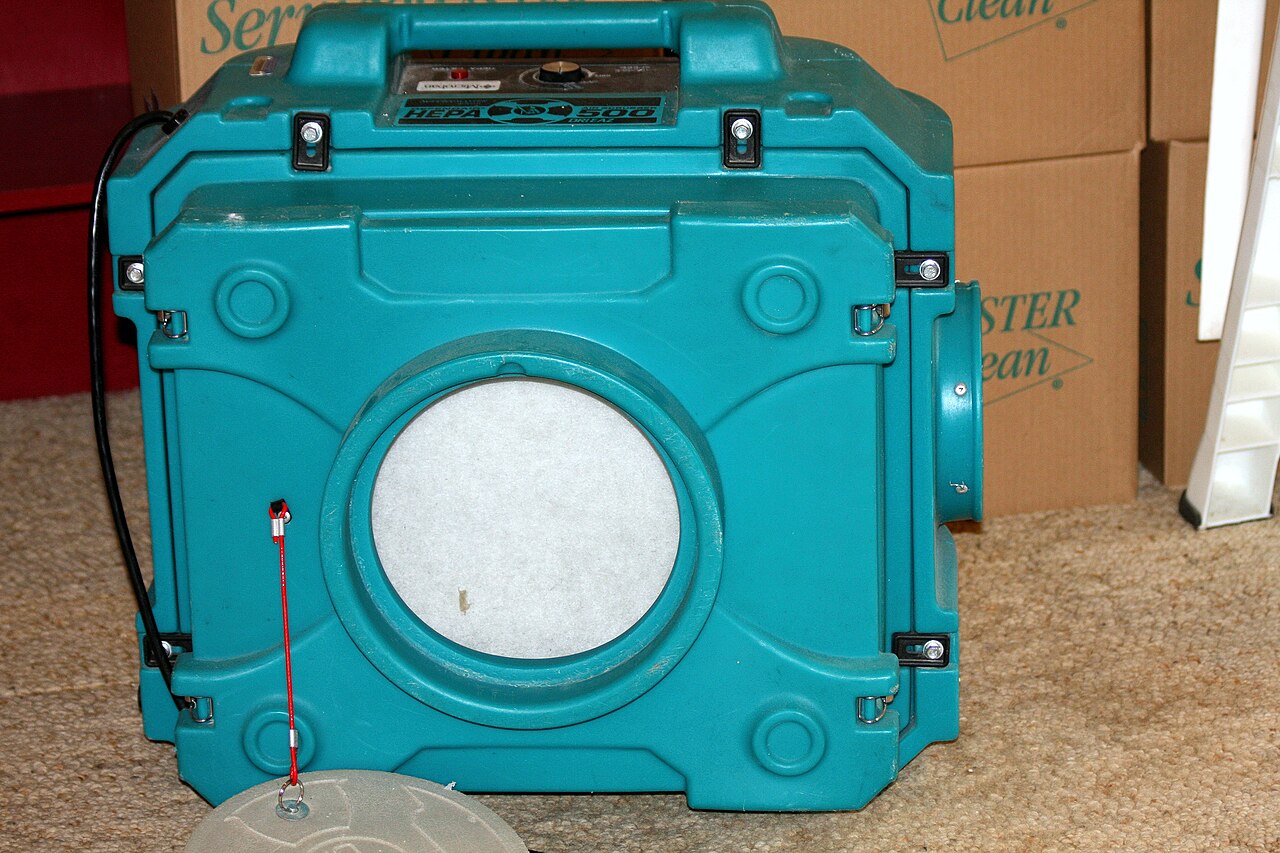
Professional air scrubbers draw air through filters to capture airborne particles, including dust and mold spores. They support contamination control during remediation.
For your home
Ask how many units the work area needs, where they will run, and how the crew will manage airflow and noise.
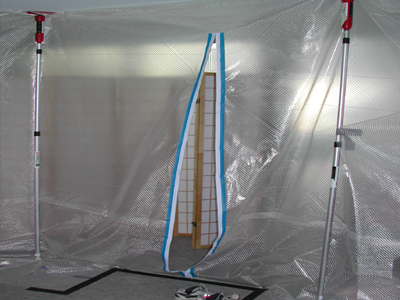
Air scrubbing filters air within a space. When a suitable machine is configured to exhaust air out of a contained area, it can also help maintain negative pressure and limit air escaping into adjoining rooms.
HEPA filtration supports the cleanup plan. It does not replace moisture correction or removal of mold-damaged materials, and it cannot certify that a home is safe.
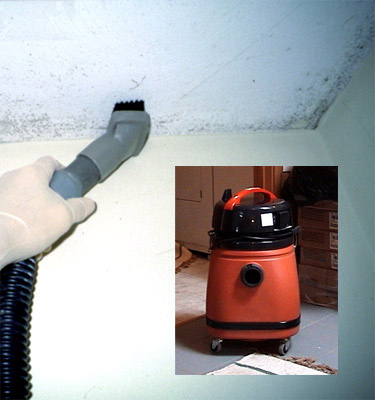
HEPA vacuums collect particles from surfaces during detailed cleaning. Professionals may use them for final cleanup and to remove dust that has settled beyond the immediate work area.
For your home
Ask how the crew will control dust and clean the work area, including surfaces beyond the visible patch.
Surface vacuuming complements the broader removal, cleaning, and moisture-control plan.
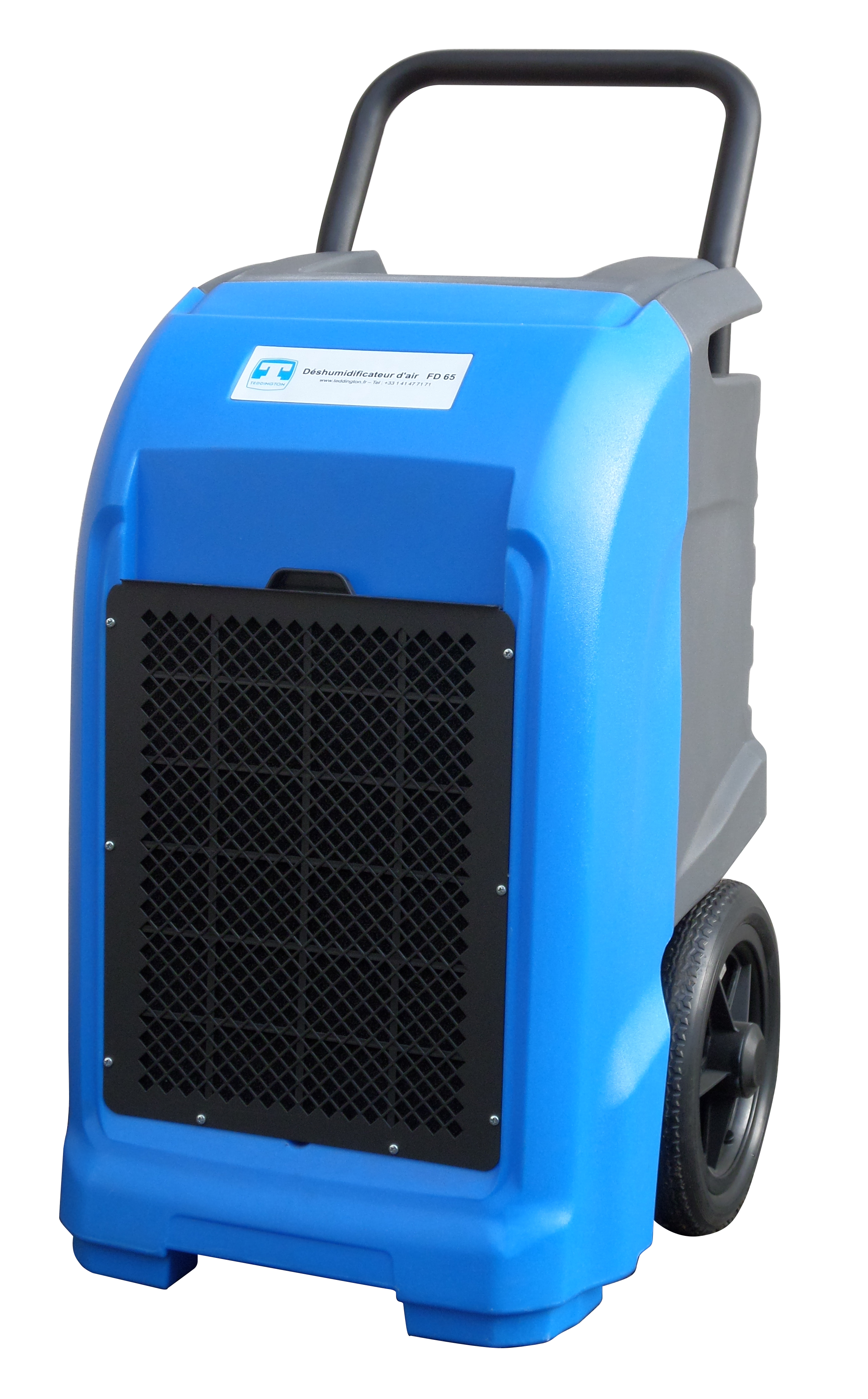
Dehumidifiers remove moisture from the air as part of a drying plan. Professionals use readings to monitor progress and decide whether materials need further attention.
For your home
Ask how drying will be checked and who is responsible for fixing the original water problem.
Dry air does not by itself prove that every material is dry or that mold cleanup is complete.
Post-remediation verification reviews whether the work meets the agreed cleanup goals. Discuss who will perform it, whether an independent reviewer makes sense, and what documentation you will receive.
Sampling may be appropriate for some projects, but it does not replace inspection. EPA emphasizes moisture correction and evaluation of the cleaned area.
Are the agreed areas clean, with no remaining visible growth, debris, or moldy odor?
What checks support the conclusion that materials are ready for the next step?
If samples were taken, what do they add to the inspection findings?
What should I monitor after repairs, and who do I contact if the concern returns?
BEFORE YOU BOOK
Good questions help you choose.
Ask for relevant credentials, insurance, a written scope, and a clear explanation of fees. Have the company explain which equipment and methods your project actually needs.
MI Mold Removal can help you understand the next step and connect with a participating professional based on your location and concern. Your selected company confirms its approach and performs the on-site work.
START WITH WHAT YOU’RE NOTICING
You don’t need to know which tool comes next.
Share your concern for preliminary guidance, or ask for help finding a local professional.
This is general homeowner education, not an on-site assessment or a cleanup instruction manual. Photo reviews cannot confirm mold species, reveal all hidden growth, or establish whether a home is safe. Linked sources and pictured manufacturers do not endorse MI Mold Removal.